

How to Store Your Leather Jacket During the Off-Season
To store a leather jacket during the off-season, clean it gently, let it dry completely, condition it lightly if the leather feels dry, hang it on a wide, padded hanger inside a breathable cotton garment bag, and keep it in a cool, dry, dark, well-ventilated spot away from heat, damp, and direct sun. Never store it in plastic, fold it for months, or leave it in an attic, garage, basement, or hot car. Check it every month or two, and give it a short refresh when you bring it back out. The biggest enemies of stored leather are moisture, heat, light, pressure, and pests, and the routine below deals with each. You can find more care basics in our leather care and maintenance guide, and this article focuses on putting a jacket away properly.
A note on caution: every leather finish is different, so check your care label, and test any product on a hidden spot before using it. For valuable, vintage, or delicate jackets, a professional leather cleaner can prepare the jacket for storage.
The Short Answer: The Storage Checklist
| Step | What to do |
|---|---|
| 1. Clean | Wipe off dust, sweat, and dirt with a soft, slightly damp cloth |
| 2. Dry | Let it dry completely at room temperature, away from heat |
| 3. Condition | Thin layer if the leather feels dry (not for suede or faux) |
| 4. Empty and close | Empty pockets, close zips and snaps |
| 5. Hang | Wide, padded hanger that supports the shoulders |
| 6. Cover | Breathable cotton garment bag, never plastic |
| 7. Place | Cool, dry, dark, ventilated closet |
| 8. Protect | Pest and moisture control, without direct contact |
| 9. Check | Every month or two |
Why Storage Matters
Leather is a natural material, and storage is where many jackets get damaged without anyone noticing. Over a few months, the wrong conditions can cause:
- Mildew and mold from trapped moisture.
- Cracking and stiffness from heat and dry air.
- Fading and discoloration from light.
- Creases and distorted shoulders from folding and thin hangers.
- Moth and pest damage, especially for jackets with wool or shearling.
- Odors absorbed from the storage space.
A good storage routine takes about fifteen minutes and protects a jacket you may have paid a lot for. Our guide on what makes a genuine leather jacket last for years explains how care and storage fit with quality and construction.
Step 1: Prepare the Jacket
Clean It First
Dirt, sweat, and body oils left on leather can stain and attract pests over time. Before storage:
- Brush off loose dust with a soft brush or a dry cloth.
- Wipe the surface with a soft cloth that is only slightly damp, working in gentle strokes.
- Pay extra attention to the collar, cuffs, and hem, where oils build up.
- Blot dry with a clean cloth.
For stains, ink, or heavy soiling, take the jacket to a leather professional rather than experimenting.
Let It Dry Completely
Never store a jacket that is even slightly damp. Hang it on a wide hanger in a ventilated room, away from radiators, heaters, hair dryers, and direct sun, and give it time. Moisture sealed into storage is the main cause of mildew.
Condition If Needed
If smooth leather feels dry or looks dull, apply a thin, even layer of a conditioner made for finished leather after testing on a hidden spot, let it absorb fully, and buff off any excess. Do not over-condition, since too much product can leave a sticky surface that attracts dust. Do not condition suede, nubuck, or faux leather. If you are not sure whether your jacket is real leather or faux, our guide to real leather versus faux leather shows how to tell.
Empty and Close
- Empty all pockets, since forgotten items can stain, stretch, or damage the lining.
- Remove belts, pins, and any removable hood or liner.
- Close zips and snaps so they hold the shape and do not snag.
- Check for loose threads, buttons, or snaps, and repair them now, since small problems grow in storage.
Step 2: Choose the Right Hanger
A hanger decides whether the shoulders keep their shape.
- Use a wide, padded or contoured hanger that supports the full shoulder width and matches the jacket's shape.
- Avoid thin wire hangers, hooks, and clips, which dent the shoulders and stress the seams.
- Do not overstuff the jacket or hang heavy items on it.
Heavy jackets, especially shearling and long coats, benefit from a sturdy, wide hanger, since their weight can pull on the shoulders over months.
Step 3: Choose the Right Cover
- Use a breathable cotton or canvas garment bag. It keeps dust off while letting air circulate.
- Never use plastic bags, dry-cleaning covers, or vacuum bags. They trap moisture, which can cause mildew, and can make leather sweat, stick, or discolor.
- Use a bag with a bit of room, so the jacket is not squashed.
- If you have no garment bag, an old cotton sheet or pillowcase draped over the jacket works as a simple alternative.
Step 4: Choose the Right Place
The Ideal Space
- Cool and stable temperature. Avoid places that swing between hot and cold.
- Dry, with moderate humidity. Roughly 40 to 60 percent relative humidity is often recommended for leather, and damp spaces risk mildew. Avoid extremes.
- Dark. Light, especially direct sun, fades and dries leather.
- Ventilated. Some air circulation prevents stale, damp air.
- Clean and uncluttered, so the jacket is not squeezed against other items.
Places to Avoid
| Place | Why to avoid it |
|---|---|
| Attic | Extreme heat dries and cracks leather |
| Basement | Damp air encourages mildew |
| Garage or shed | Temperature swings, damp, dust, and pests |
| Car trunk or storage unit without climate control | Heat and humidity extremes |
| Near radiators, vents, or windows | Heat and sun |
| Next to strongly scented items | Leather absorbs odors |
| Damp or cluttered closets | Mildew and crushed shoulders |
Step 5: Control Moisture
- Check the closet for damp spots, musty smells, or condensation, and fix them first.
- In humid climates, consider a dehumidifier or moisture absorbers placed in the room, and avoid putting packets in direct contact with the leather.
- Silica gel packets can be tucked into the garment bag pocket or hung nearby, without touching the leather.
- Avoid sealed containers that trap humid air.
Step 6: Protect Against Pests
Moths and other pests are most dangerous to wool, fur, and shearling, and they are attracted to dirt, sweat, and body oils. For leather jackets with fabric or wool linings, take extra care.
- Clean the jacket before storage, since soiled fabric attracts pests.
- Use natural deterrents such as cedar blocks or lavender sachets, hung or placed near the jacket and replaced regularly. Do not let them touch the leather directly, since oils can transfer.
- Avoid mothballs. They leave a strong smell that can be very hard to remove from leather, and they can leave residue.
- Inspect the lining for small holes, fine debris, or webbing when you check on the jacket.
- Keep the storage space clean, and avoid clutter where pests can hide.
Special Cases
Shearling and Sheepskin Jackets
Shearling is wool on leather, so it needs both leather care and moth protection. Brush the wool, wipe the shell, make sure it is completely dry, use a wide, sturdy hanger, and store it in a breathable bag with moth deterrents. Heavy jackets can strain hangers over months, so check the shoulders. Consider professional cleaning before long storage if the jacket had heavy use, and use a sheepskin specialist rather than a standard dry cleaner.

A fully lined jacket like this classic B3 has wool through the body, sleeves, and collar, so the whole interior needs pest protection. Check the product page to see whether the lining is real shearling, since faux linings have different care needs.
Suede and Nubuck
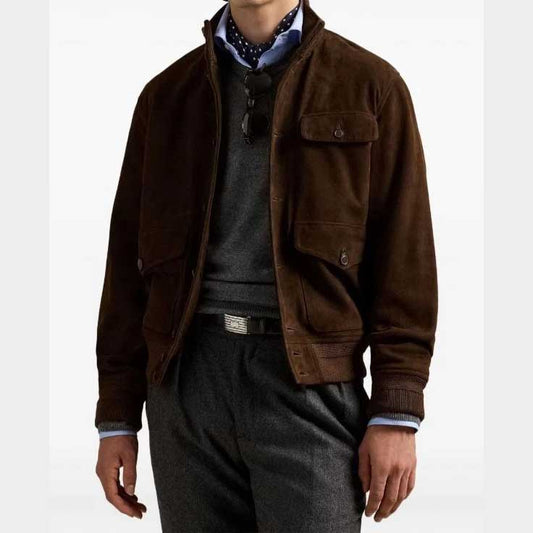
Brush the nap, treat light marks with a suede eraser, and apply a suede protector if you use one, after testing. Do not condition. Use a breathable bag, and keep suede out of light and humidity, since both can discolor and mark it.
Waxed and Distressed Leather
These finishes are rugged, but still need dry, ventilated storage. Avoid heat, which can soften wax and cause sticking, and avoid pressing the jacket against other fabrics.
Faux or Coated Leather
The surface is plastic, so it can crack or peel, especially when folded or stored in heat. Hang it, keep it cool, and avoid sticking surfaces against each other. Do not condition it.
Light Unlined Jackets
Fine, soft leathers like lambskin crease easily, so hang them on a padded hanger with enough room, and avoid folding.
Studded and Hardware-Heavy Jackets
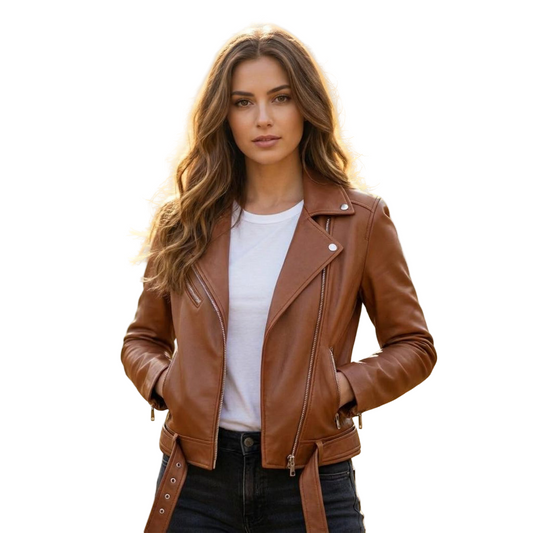
Wipe studs and metal hardware dry before storage, so they do not tarnish or rust, and give the jacket extra space so studs do not scratch other clothes.
What If You Have to Fold It?
Hanging is always best. If you have no choice, such as for travel or a small space:
- Fold as few times as possible, with the lining side folded in on itself where practical.
- Pad the folds with acid-free tissue or a clean cotton cloth, to soften creases.
- Place the jacket on top of other items, never under a heavy load.
- Store it in a breathable bag or box with room, and take it out and hang it as soon as you can.
Folding for months creates deep creases and can crack leather along the fold lines.
Storing More Than One Jacket
- Leave space between jackets, so air circulates and leather does not rub.
- Do not stack jackets or lean other garments against them.
- Keep light-colored and dark leather apart, since dye can transfer.
- Keep jackets away from perfume, hairspray, and strongly scented items.
Checking On Your Jacket During Storage
A quick check every month or two catches problems early.
- Open the bag and look and sniff for musty odors or mildew.
- Check the shoulders for dents or distortion, and adjust the hanger if needed.
- Look for signs of pests in the lining.
- Feel the leather for dryness or stickiness.
- Replace cedar or lavender if the scent has faded.
- Let the jacket breathe in open air for a while before putting it back.
Bringing It Back Out
- Take the jacket out of the bag and air it in a ventilated room, away from direct sun.
- Brush it gently, and brush the wool lining if it has one.
- Inspect the seams, zips, snaps, and lining.
- Wipe away any dust with a barely damp cloth.
- Condition the leather lightly if it feels dry, after testing, and let it absorb.
- Check the fit and hang it where you can reach it.
Common Mistakes
- Storing the jacket in a plastic bag or vacuum bag.
- Storing it damp or dirty.
- Hanging it on a thin hanger, which distorts the shoulders.
- Using mothballs.
- Choosing an attic, garage, or basement.
- Folding it for months.
- Over-conditioning before storage.
- Forgetting to check on it.
Storage Supplies at a Glance
| Item | Purpose |
|---|---|
| Wide, padded hanger | Supports the shoulders |
| Breathable cotton garment bag | Dust protection with airflow |
| Soft brush | Pre-storage cleaning and wool care |
| Soft cloths | Wiping and blotting |
| Leather conditioner (for finished leather) | Pre-storage conditioning, if needed |
| Cedar blocks or lavender sachets | Natural moth deterrents |
| Silica gel or moisture absorbers | Humidity control, without touching the leather |
| Acid-free tissue | Padding, if folding is unavoidable |
When to Call a Professional
- Before long-term storage of a valuable, vintage, or heavily worn jacket.
- If the jacket has stains, odors, or mildew.
- For shearling jackets that need deep cleaning.
- If you notice cracking, peeling, or pest damage when you check.
Look for a cleaner who works with leather, suede, and shearling garments, and ask about their process. The Learn Everything Leather page is a useful reference for the basics.
Buying Leather That Stores Well
A well-made jacket is easier to store and lasts longer. You can browse styles in the men's leather jackets and women's leather jackets collections, and read each product page for the leather type, finish, and lining, since materials vary. Confirm the exchange terms in the returns and refunds policy before you order.
Frequently Asked Questions
Can I store a leather jacket in a plastic bag?
No. Plastic traps moisture, which can cause mildew and damage the leather. Use a breathable cotton garment bag.
Should I hang or fold a leather jacket for storage?
Hang it on a wide, padded hanger. Folding creates deep creases and can crack leather over months.
Where is the best place to store a leather jacket?
A cool, dry, dark, ventilated closet, away from heat, damp, and direct sun.
Should I condition my jacket before storing it?
If smooth leather feels dry, a thin layer helps. Do not condition suede, nubuck, or faux leather, and avoid over-conditioning.
How do I protect a shearling jacket from moths?
Clean it before storage, use cedar or lavender deterrents, keep it in a breathable bag, and inspect the lining periodically. Avoid mothballs.
Why avoid mothballs?
They leave a strong smell that is very hard to remove from leather, and they can leave residue.
How often should I check a stored jacket?
Every month or two, for odors, shoulder shape, pests, and dryness.
Can I store a leather jacket in a closet with other clothes?
Yes, if there is enough space for air circulation, and it is away from strongly scented items. Avoid crowding.
What if my jacket smells musty after storage?
Air it in a ventilated place away from direct sun, wipe it with a barely damp cloth, and see a professional if the smell persists, since it may mean mildew.
Is it OK to store a leather jacket in a vacuum bag?
No. Compression and trapped moisture can damage leather and shearling.
Put It Away Properly, Pull It Out Ready to Wear
Off-season storage is simple when you remember what leather needs: a clean, dry jacket, a wide hanger, a breathable bag, a cool, dark, ventilated space, and a quick check now and then. Skip plastic, heat, damp, and mothballs, and your jacket will be ready to wear when the weather turns. Orders from Shearling Jackets Store ship free worldwide.